Play as Shared Joy: How to Make Movement a Natural Part of Everyday Life

Play as Shared Joy: How to Make Movement a Natural Part of Everyday Life
Movement doesn’t have to be something squeezed in between work, errands, and responsibilities. When we think of play as a natural part of daily life—for both kids and adults—it becomes easier to rediscover the joy of moving. Play isn’t just about exercise; it’s about connection, laughter, and using our bodies in ways that feel free and spontaneous. Here’s how you can make play and movement a shared source of joy in your everyday life.
Play as a Common Language
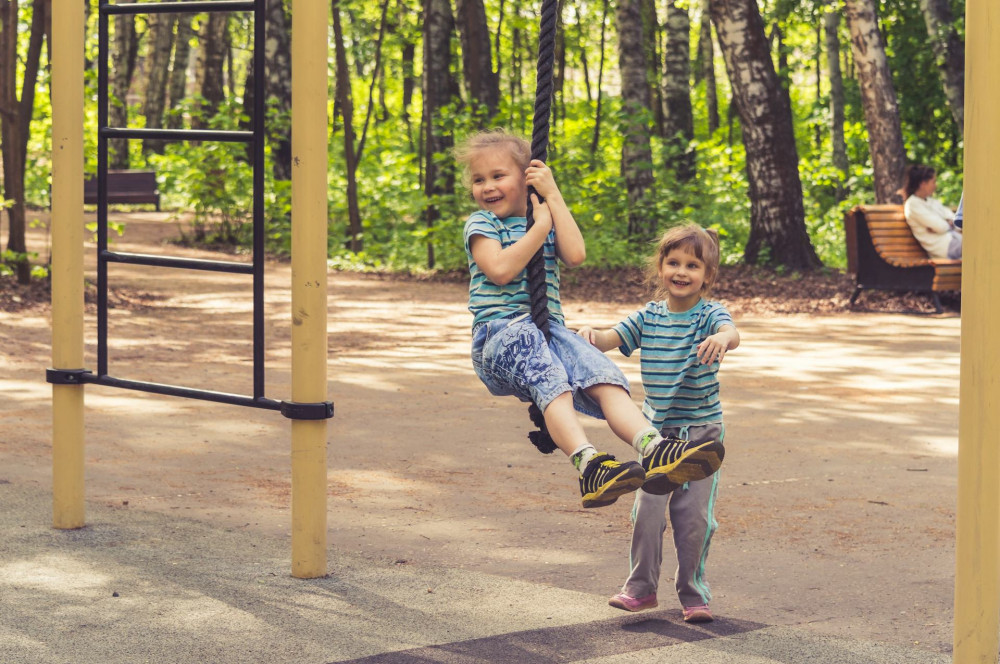
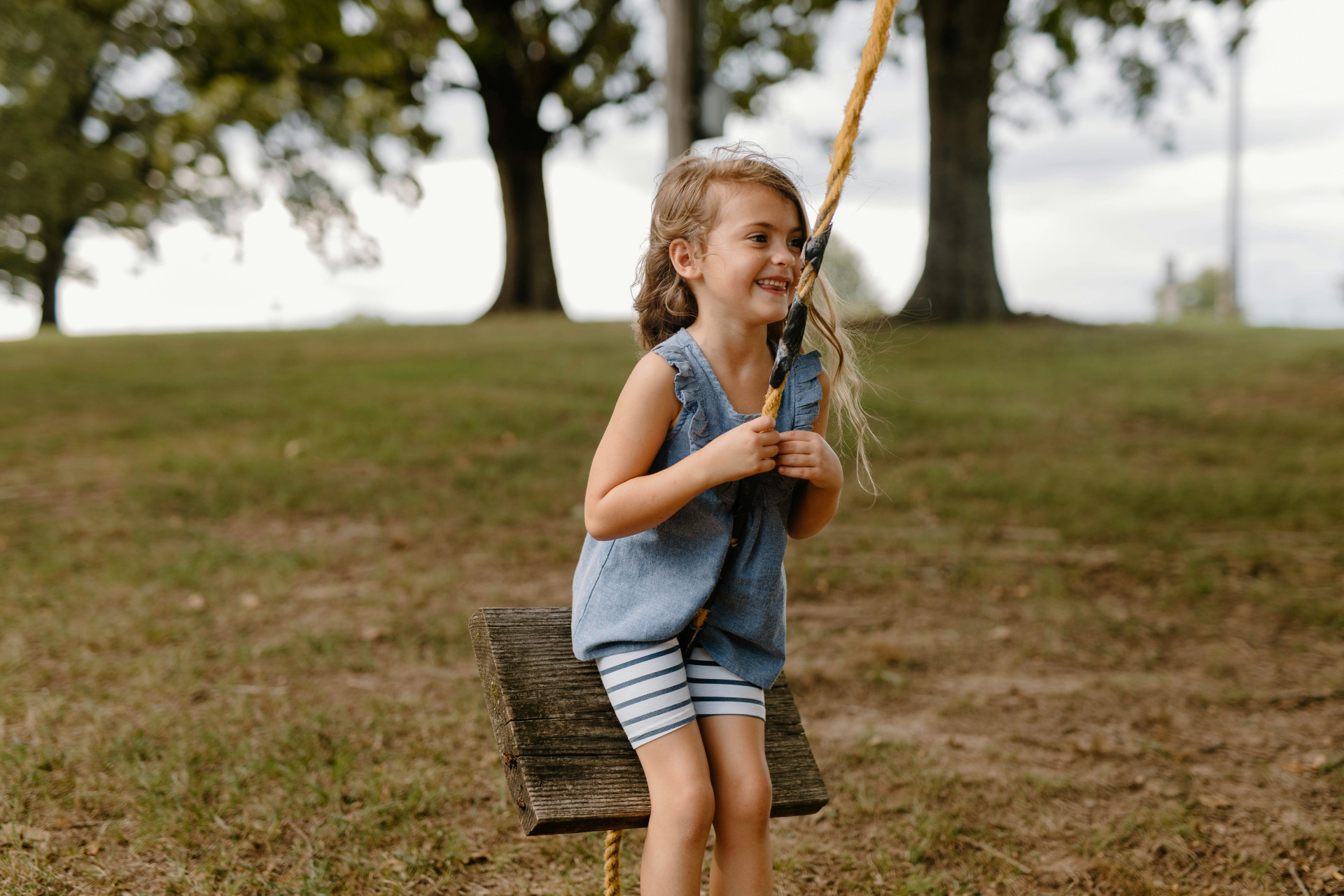
Children move naturally through play. They run, jump, climb, and explore the world with their bodies leading the way. For adults, joining in that play can be eye-opening—not as a coach, but as a participant. When you play together, you show that movement isn’t only about fitness goals, but about being present and connected.
It can be as simple as tossing a ball in the backyard, dancing in the living room, or heading to the playground together. The activity itself doesn’t matter as much as the shared experience. Play becomes a common language where everyone can join in—no matter their age or fitness level.
Læs også:

Small Movements in Everyday Life
Many people associate movement with workouts, but it can easily become part of your daily rhythm. The key is to notice the small opportunities that already exist in your routine.
- Walk or bike to school or work when possible.
- Take the stairs instead of the elevator.
- Have quick “movement breaks” while dinner cooks—who can balance on one foot the longest?
- Turn on some music while cleaning up and make it a dance party.
When movement becomes part of your habits, it stops feeling like a chore and starts feeling like a natural way to spend time together.
Create Spaces That Invite Movement
It’s easier to be active when your surroundings encourage it. Think about how your home and neighborhood can support play and movement. A jump rope in the yard, a basketball by the door, or a quick trip to a nearby park can make a big difference.
Many communities across the U.S. have local parks, walking trails, and recreation centers that are perfect for family activities. You don’t need fancy equipment or a detailed plan—just the willingness to use what’s around you.
Keep It Fun, Not Perfect
When movement becomes about performance, the joy often disappears. That’s why it’s important to focus on fun rather than perfection—for both kids and adults.
Let children take the lead sometimes—you might end up inventing new games or making up your own rules. It’s in those unpredictable moments that play truly comes alive.
For adults, letting go of the idea that everything has to be “done right” can be freeing. It’s not about running the fastest or jumping the highest; it’s about being present and having fun.
Movement as a Mental Reset
Play and movement don’t just benefit the body—they also refresh the mind. Physical activity releases endorphins that reduce stress and boost well-being. For kids, it’s a way to process experiences; for adults, it’s a way to unwind from daily demands.
A short walk after dinner, a quick game of tag in the living room, or a weekend bike ride can be enough to create calm and connection. It’s in those moments when we lose track of time that we realize how much movement contributes to our overall happiness.
A Shared Investment in Joy
Making play and movement a natural part of everyday life doesn’t require big changes—just small steps and a willingness to do things a little differently. When the whole family joins in, it becomes a shared investment in joy, health, and togetherness.
Movement isn’t just a goal—it’s a way of living. And when it’s fueled by play and connection, it becomes not only healthy but deeply meaningful.
Læs også: