Parents’ Habits Are Contagious: How Children Learn Healthy Habits

Parents’ Habits Are Contagious: How Children Learn Healthy Habits
Children don’t just listen to what we say—they watch what we do. Parents’ own routines, attitudes, and choices around food, exercise, and rest have a powerful influence on how kids develop their own habits. If you want your child to live a healthy life, it starts with looking at your own daily patterns. Here’s how you can be a positive role model and create an environment that makes healthy choices easier for the whole family.
Habits Are Contagious—The Good and the Bad
Research consistently shows that children mirror their parents’ behavior. When you eat vegetables, stay active, and prioritize sleep, your child is far more likely to do the same. On the other hand, less healthy patterns—like too much screen time, skipping meals, or spending long hours sitting—can also become part of a child’s routine.
That doesn’t mean you have to be perfect. What matters most is awareness. When you choose to walk instead of drive, or when you show enthusiasm for cooking a homemade meal, your child learns that healthy living can be enjoyable and rewarding.
Build Healthy Routines Into Everyday Life
Kids thrive on structure and predictability. Consistent routines are one of the most effective ways to support healthy habits. Try simple steps like:
- Family meals – Eat together as often as possible, and make mealtime a screen-free, relaxed moment to connect.
- Regular bedtimes – Children need adequate sleep to grow, learn, and stay emotionally balanced.
- Active transportation – Walk or bike to school when it’s safe and practical.
- Screen-time limits – Set clear boundaries for when and how long screens can be used.
When routines become part of daily life, they require less effort and willpower—for both kids and adults.
Make Health Fun and Shared
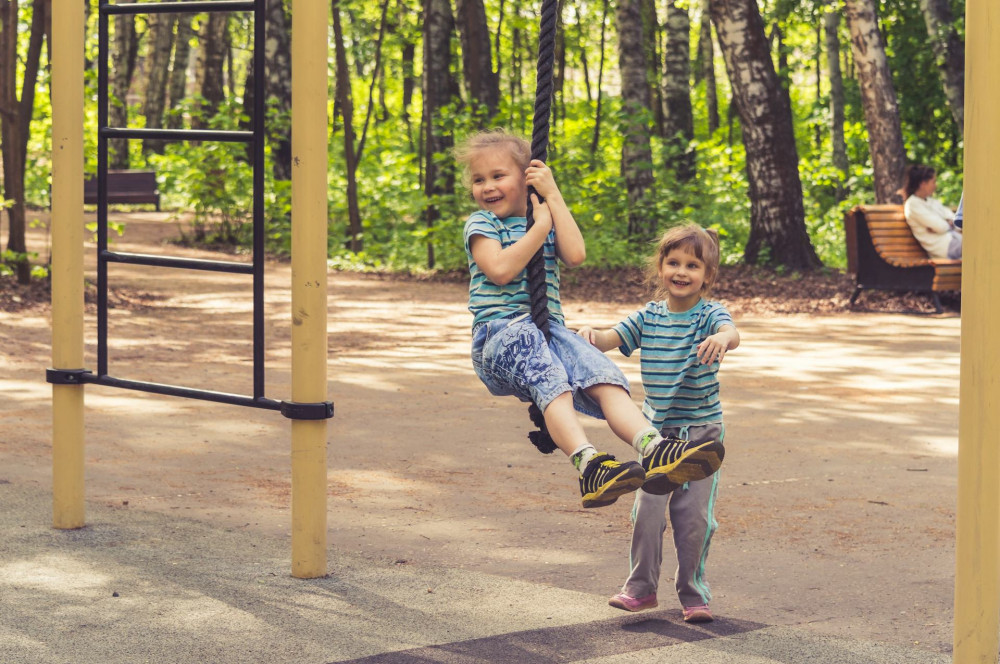
Healthy habits shouldn’t feel like chores. The more fun and togetherness you bring into them, the more likely they are to stick. Cook meals as a family, try new recipes, or plan a weekly “family activity night” that gets everyone moving—whether it’s a walk around the neighborhood, a backyard game, or a dance party in the living room.
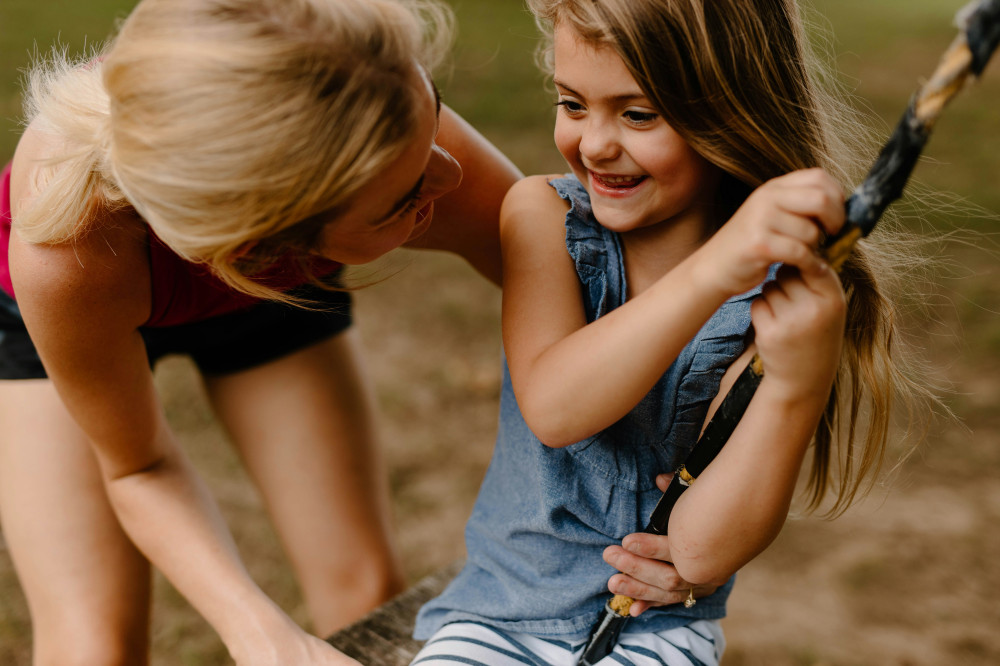
When children experience health as something joyful and shared, it becomes part of who they are. It’s not about lecturing—it’s about creating positive experiences that make sense to them.
Læs også:

Talk About Food and Bodies in a Positive Way
The way we talk about food and our bodies shapes how children see themselves. Avoid labeling foods as “good” or “bad,” which can lead to guilt or confusion. Instead, focus on how food fuels the body, gives energy, and helps us feel strong.
Praise your child for trying new foods, and avoid using food as a reward or comfort. This helps them build a healthy relationship with eating and with their own body.
Be Realistic—And Allow Room for Imperfection
No family is perfect. There will be days with takeout dinners, late bedtimes, or skipped workouts—and that’s okay. What matters is the overall pattern over time. When you show your child that it’s possible to get back on track after a less healthy stretch, you teach them that wellness is about balance, not perfection.
Building healthy habits is a process, not a project. It takes patience, flexibility, and a sense of humor. Children learn the most from how we handle everyday life—even when things don’t go as planned.
Small Steps Lead to Big Change
You don’t have to overhaul everything at once. Start with small, manageable changes the whole family can join in on. Maybe it’s adding one more vegetable to dinner, taking the stairs instead of the elevator, or going for a short walk after meals.
Over time, those small steps turn into lasting habits—and those habits become a lifestyle your children will carry into adulthood. When parents lead by example, health stops being a goal and becomes a natural part of family life.
Læs også: