Motor Development Through Play – How You Can Support Your Child

Motor Development Through Play – How You Can Support Your Child
A child’s motor development is closely linked to play. When your child crawls, jumps, balances, or throws a ball, they’re not just moving their body – they’re also developing their brain, senses, and understanding of the world. As a parent, you can support this growth in many ways, both through everyday activities and by creating opportunities for movement and curiosity. Here’s how you can help your child strengthen their motor skills through play.
What Is Motor Development?
Motor development refers to a child’s ability to control and coordinate their movements. It’s often divided into two main areas:
- Gross motor skills – large movements like crawling, running, jumping, and throwing.
- Fine motor skills – small, precise movements like grasping, drawing, cutting, and buttoning clothes.
Both areas develop gradually and are closely connected. As children gain better control of their bodies, they also become more confident in exploring, playing, and learning new skills.
Læs også:


Play as Motor Practice
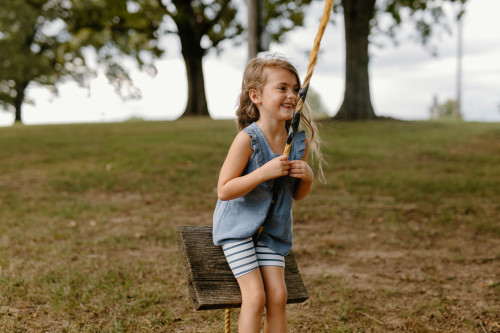
Play is a child’s natural way of learning. Through play, children challenge themselves, repeat movements, and discover what their bodies can do. You don’t need special exercises or equipment – what matters most is that your child has the freedom and joy to move.
Here are some examples of play that support motor development:
- Obstacle courses – use pillows, chairs, and blankets to create a small indoor course. It helps build balance, strength, and coordination.
- Throw and catch – ball games develop hand-eye coordination and reaction time. Start with a soft ball and short distances.
- Jumping games – hopscotch, jumping rope, or hopping over lines on the ground strengthen leg muscles and rhythm.
- Building and creating – playing with blocks, clay, or beads trains fine motor control and concentration.
- Dance and music – moving to music encourages rhythm, body awareness, and creativity.
The key is that play feels fun and safe. When children experience success and joy in movement, they’re motivated to keep trying – and that’s how development happens.
Making Room for Movement in Everyday Life
Busy family life can make it hard to find time for play, but small changes can make a big difference. Try to weave movement naturally into your daily routines:
- Walk or bike to preschool or school when possible.
- Let your child help with chores like setting the table or carrying groceries – it builds both motor skills and responsibility.
- Turn waiting time into play – hop on sidewalk squares, balance on curbs, or make up quick challenges.
- Use the outdoors – parks, playgrounds, and nature trails offer endless opportunities to climb, run, and explore.
Movement doesn’t have to mean structured exercise. It’s about giving your child the chance to use their body in many different ways.
When Motor Skills Need Extra Support
Some children need a little more time or help to develop their motor skills. You might notice that your child often trips, avoids physical play, or struggles with catching and throwing. In most cases, extra opportunities for playful practice are enough to help.
If you’re concerned, talk with your child’s teacher, pediatrician, or an occupational or physical therapist. They can assess whether your child might benefit from additional support or guidance.
Embracing Individual Differences
Every child develops at their own pace. Some learn to ride a bike early, while others take longer to find their balance. The most important thing is to meet your child where they are, offering encouragement and reassurance. Praise effort rather than results – it builds confidence and motivation to keep trying.
Motor development isn’t just about jumping higher or running faster. It’s about feeling comfortable in one’s body, daring to move, and finding joy in physical activity. When you support your child in playing, exploring, and moving freely, you’re giving them a strong foundation – both physically and emotionally.
Læs også: