Healthy Choices Every Day: Making It Easy for Kids to Choose Healthy

Healthy Choices Every Day: Making It Easy for Kids to Choose Healthy
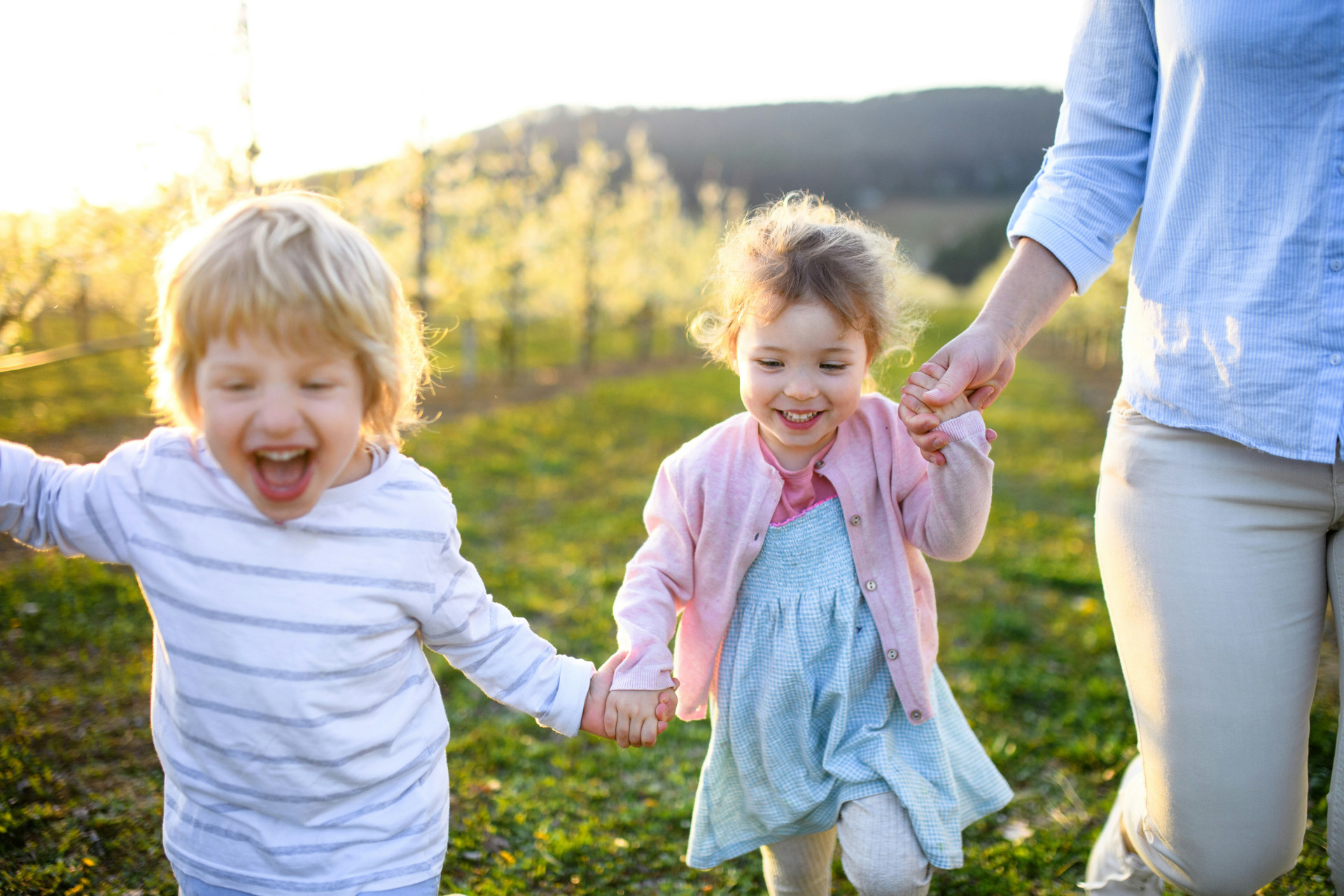
Helping kids make healthy choices isn’t just about saying no to candy or screen time. It’s about creating an environment where the healthy choice is the easy choice—at home, at school, and during play. When children see healthy living as a natural and enjoyable part of life, they’re more likely to carry those habits into adulthood.
Make Healthy Options Visible and Easy to Reach
Kids often go for what’s right in front of them. Small changes in the environment can make a big difference. Keep a bowl of fresh fruit on the counter instead of cookies in the jar. Cut up vegetables and set them out while dinner is being prepared—many kids eat more veggies when they’re easy to grab.
For school lunches, variety and color go a long way. Try sliced fruit, veggie sticks, or whole-grain wraps cut into fun shapes. When food looks appealing and easy to eat, kids are more likely to enjoy it.
Get Kids Involved in the Kitchen
When children help prepare meals, they become curious and more willing to try new foods. Let them pick a vegetable for dinner, stir the pot, or help set the table. This gives them a sense of ownership and helps them understand what goes into their food.
Even young kids can rinse produce or mix ingredients. Older children can take on a weekly challenge to plan a healthy meal for the family. Cooking together turns healthy eating into a shared experience rather than a chore.
Build Positive Mealtime Habits
Healthy eating is also about rhythm and atmosphere. Family meals provide comfort and help kids tune in to their hunger and fullness cues. Try not to use food as a reward or comfort—it can lead to unhealthy relationships with eating.
Instead, talk about how food fuels play, learning, and energy. When kids understand how what they eat affects how they feel, healthy choices start to make sense.
Læs også:



Make Movement Part of Everyday Life
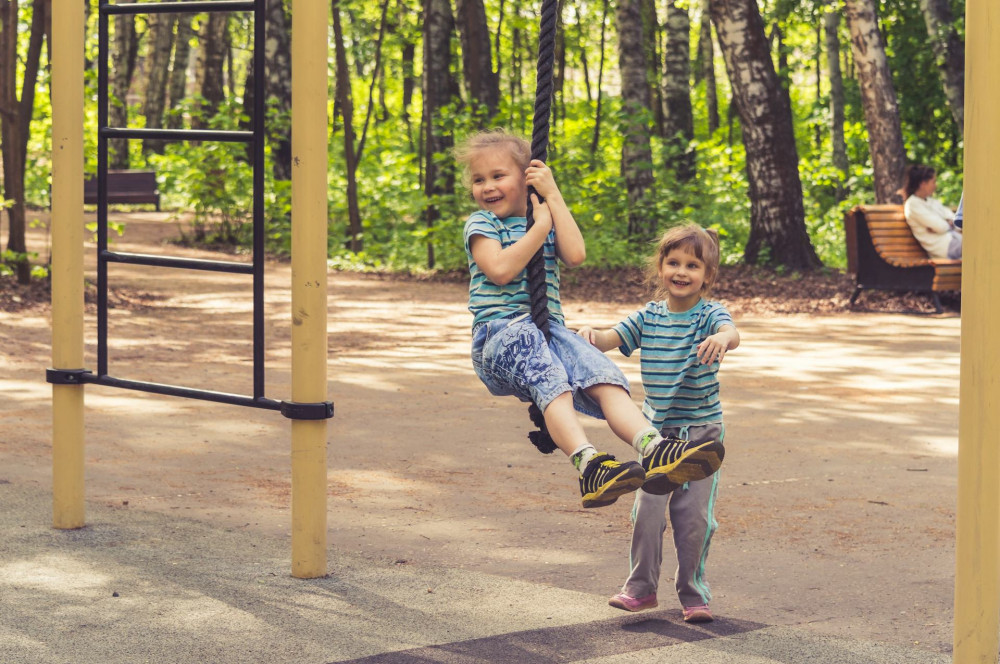
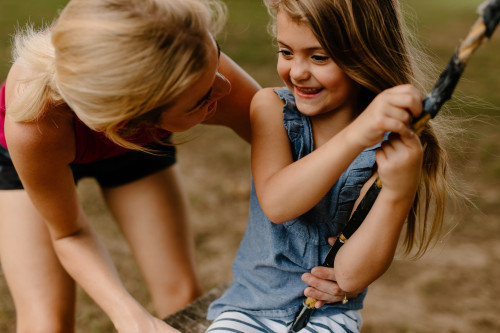
Health isn’t just about food—being active matters too. But activity doesn’t have to mean organized sports. Walking to school, playing tag in the yard, or dancing in the living room all count.
Create small routines that make movement natural. Walk or bike together, set family step challenges, or find games that get everyone moving. The key is to make it fun—when kids enjoy being active, it becomes a habit that sticks.
Talk About Health in a Positive Way
Kids learn from what adults say and do. If health is framed as a list of restrictions, it loses its appeal. Focus instead on the benefits—more energy, better mood, and strength for play and learning.
Avoid focusing on body size or weight. Talk about feeling strong, happy, and confident. This helps children build a positive self-image and understand that taking care of their bodies is about feeling good, not fitting a certain look.
Small Steps Make a Big Difference
You don’t have to change everything at once. Small, consistent steps can have a lasting impact. Add one more vegetable to dinner, take a short walk after meals, or swap soda for water a few days a week.
When kids see that healthy living is about making good choices—not following strict rules—they’re more likely to keep those habits as they grow. Every small step counts toward a lifetime of health and well-being.
Læs også: