Teaching Based on the Child’s Strengths: Children with Special Needs Require Individualized Solutions

Teaching Based on the Child’s Strengths: Children with Special Needs Require Individualized Solutions
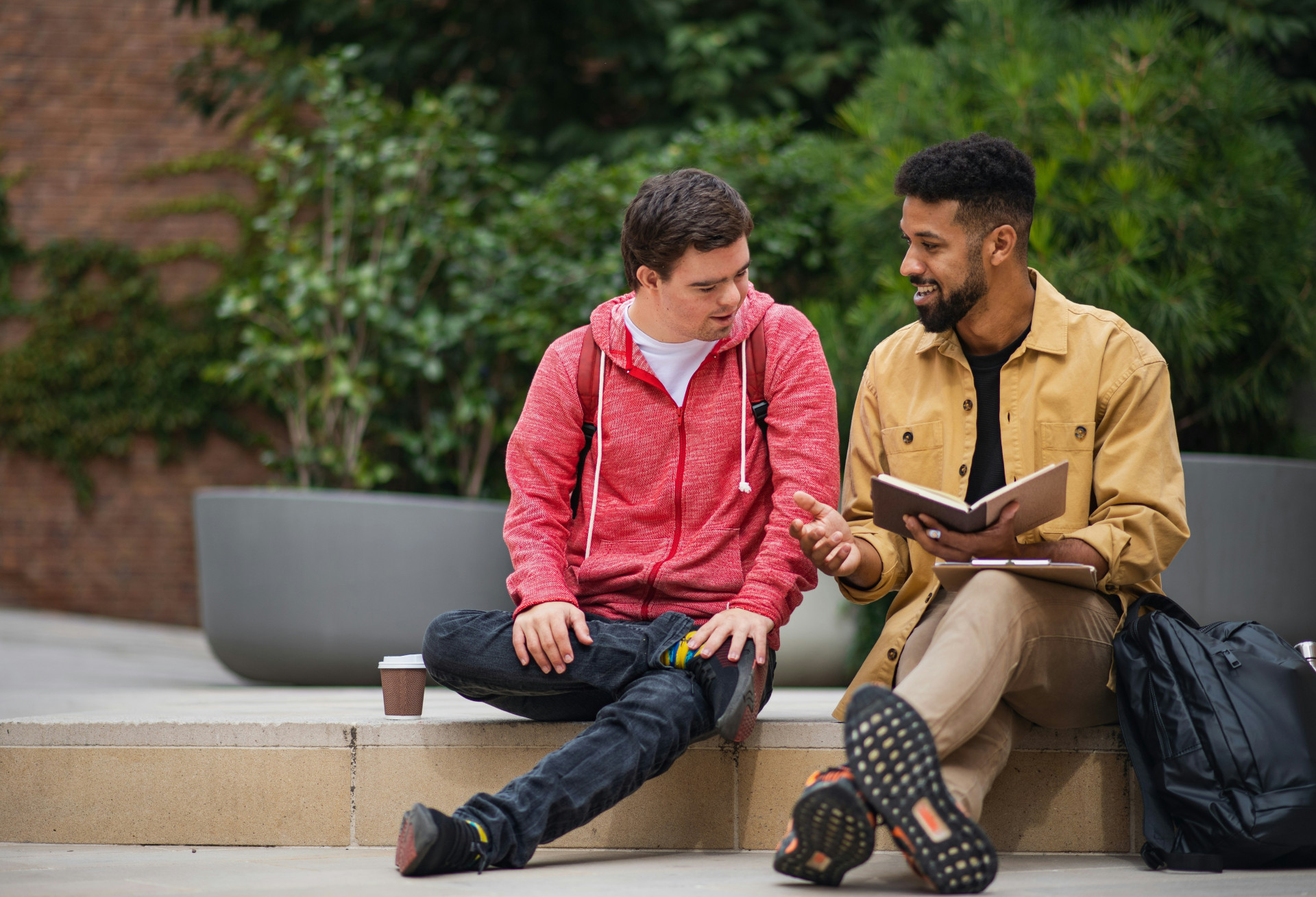
Every child learns differently. Some thrive in group settings, while others need more structure, calm, or alternative ways to absorb information. For children with special needs, these differences can be even more pronounced—and that’s why it’s essential to build education around a child’s strengths rather than their challenges. When we focus on what a child can do instead of what they can’t, we create the foundation for learning, confidence, and growth.
From Deficit Thinking to Strength-Based Education
For decades, special education often centered on what a child was lacking—skills they hadn’t mastered or behaviors that didn’t fit the norm. But research and experience increasingly show that a strength-based approach leads to better outcomes. This approach identifies a child’s abilities, interests, and motivations and uses them as the starting point for learning.
A child with autism, for example, might have an exceptional eye for detail or a deep interest in specific topics. A child with ADHD might bring creativity, energy, and spontaneity to the classroom. When teachers view these traits as assets rather than obstacles, the entire learning dynamic changes. The classroom becomes a place where differences are not just accepted but valued.
Læs også:

Individualized Solutions Require Flexible Classrooms
Teaching based on a child’s strengths doesn’t mean every student needs a separate program. It means the classroom environment must be flexible enough to accommodate diverse learners. This can include varying teaching methods, using visual supports, allowing movement breaks, or providing clear routines and expectations.
Some students may benefit from small-group instruction or extra time to complete assignments. Others may learn best through hands-on activities or digital tools that make abstract concepts more concrete. The key is to adapt the learning environment to the child—not the other way around.
Collaboration Between Schools, Families, and Specialists
A strength-based approach works best when teachers, parents, and specialists collaborate closely. Parents know their child’s personality, interests, and triggers better than anyone. Teachers can translate that knowledge into practical strategies in the classroom. Special education professionals, therapists, and counselors can provide additional insights and tools.
When everyone works from a shared understanding of the child’s strengths, the support becomes more consistent and effective. This teamwork not only benefits the child academically but also fosters emotional security and trust.
Creating Inclusive Learning Environments
An inclusive classroom is about more than physical access—it’s about culture and mindset. Children with special needs should feel that they belong, even when they require extra support. This requires empathy, understanding, and respect from both teachers and peers.
Schools that actively promote inclusion, kindness, and social-emotional learning often find that all students benefit. When the focus shifts from mistakes to progress, motivation and engagement rise across the board. Inclusion, when done well, strengthens the entire school community.
Supporting Teachers Through Training and Resources
To teach from a strength-based perspective, educators need the right training and support. This includes understanding different learning profiles, knowing how to adapt instruction, and having access to resources and professional development. Ongoing training, mentorship, and collaboration between general and special education teachers can make a significant difference.
Many U.S. schools have found success with co-teaching models, where special education and general education teachers share responsibility for a class. This approach allows for more individualized attention and creative problem-solving, benefiting all students.
A Shared Responsibility for Every Child’s Success
Teaching based on a child’s strengths is more than a method—it’s a mindset. It’s about recognizing that every child has unique potential and deserves the opportunity to succeed on their own terms. When we invest in individualized solutions, we invest in children’s futures and their ability to participate fully in society.
Children with special needs don’t require pity or isolation—they need understanding, flexibility, and respect. When education builds on what they do best, we give them the chance to show just how far they can go.
Læs også: