Online Collaboration – When Children Learn Together on the Internet


Online Collaboration – When Children Learn Together on the Internet
When children work together online, it opens up new ways of learning. They can share ideas, solve problems as a team, and explore topics across schools, states, and even countries – all through a screen. But how does online collaboration actually work for children, and what should parents and teachers keep in mind? Let’s take a closer look at how digital teamwork can strengthen learning, creativity, and social skills.
From Classroom to Shared Screen
In many American schools, group work has moved from the classroom to digital platforms. Students meet in virtual spaces where they can write, design, code, or present together. This means collaboration is no longer limited by time or place – children can continue projects from home, share documents in real time, and communicate through chat or video.
For most children, working together online feels natural. They already use digital tools in their free time, and they often bring those habits into schoolwork. Still, successful online learning requires structure, guidance, and clear expectations.
The Benefits of Digital Collaboration
When children learn to collaborate online, they develop skills that are increasingly important in today’s digital world:
- Communication at a distance – they learn to express themselves clearly and respectfully, even when they’re not face-to-face.
- Responsibility and organization – online projects require everyone to contribute and meet deadlines, building independence and accountability.
- Creative problem-solving – digital tools allow children to experiment with images, sound, video, and code in new and exciting ways.
- Global awareness – working with peers from other places helps broaden children’s perspectives and curiosity about the world.
When online teamwork works well, children often experience a strong sense of community – even if they’re miles apart.
Challenges – and How to Handle Them
While online collaboration offers great opportunities, it also comes with challenges. Some children may feel left out in digital groups, while others may struggle to stay focused when communication happens through a screen.
Parents and teachers can support children by:
- Setting clear guidelines – define roles, goals, and deadlines for each project.
- Choosing the right tools – use platforms that are simple, safe, and age-appropriate.
- Checking in regularly – ask how the collaboration is going and help resolve conflicts if they arise.
- Discussing digital citizenship – teach children how to communicate respectfully and protect each other’s work online.
With the right support, children can learn to use technology as a tool for learning and connection – not as a distraction.
Læs også:

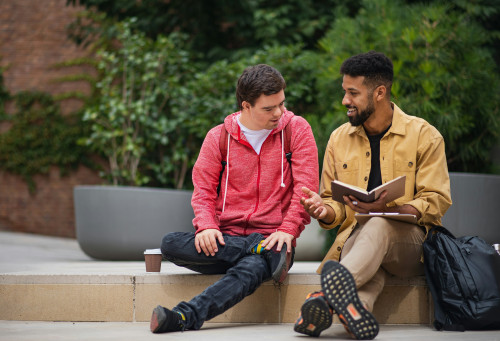

Everyday Examples
Many U.S. schools already use online collaboration in creative ways. Some classes create shared presentations in Google Slides, while others use tools like Padlet, Canva, or Minecraft Education to build and explore together. In science, students can share local observations and compare data, and in language arts, they can co-write stories with students from other schools or even other countries.
These projects show that digital collaboration isn’t just about technology – it’s about creating meaning and community through learning.
Collaboration as a Key Skill for the Future
In a world where many workplaces already rely on digital teamwork, the ability to collaborate online is a vital skill. When children learn it early, they gain not only academic knowledge but also experience in communication, responsibility, and creative thinking.
It takes practice, patience, and good guidance – but the reward is great: children who can use technology to create, share, and learn together.
Læs også: