Structure Around the Child Creates Calm for Learning


Structure Around the Child Creates Calm for Learning
A child who feels secure learns better. It’s a phrase many parents and teachers have heard, but what does it really mean in practice? A key part of a child’s well-being is structure and predictability—both at home and in school. When the world around a child feels organized and consistent, the mind can relax, making room for curiosity, focus, and learning.
Structure Builds Security
Children need to know what to expect and when to expect it. A steady daily rhythm—with clear routines for mornings, homework, playtime, and bedtime—creates a sense of control and safety. This doesn’t mean every minute must be scheduled, but that the child can anticipate the flow of the day.
When a child knows there’s time for both responsibilities and rest, it becomes easier to focus on learning. The brain doesn’t have to waste energy managing uncertainty. This applies both at home and in the classroom, where clear expectations and consistent routines create an environment where children feel safe to explore, make mistakes, and grow.
A Tidy Space Supports Focus
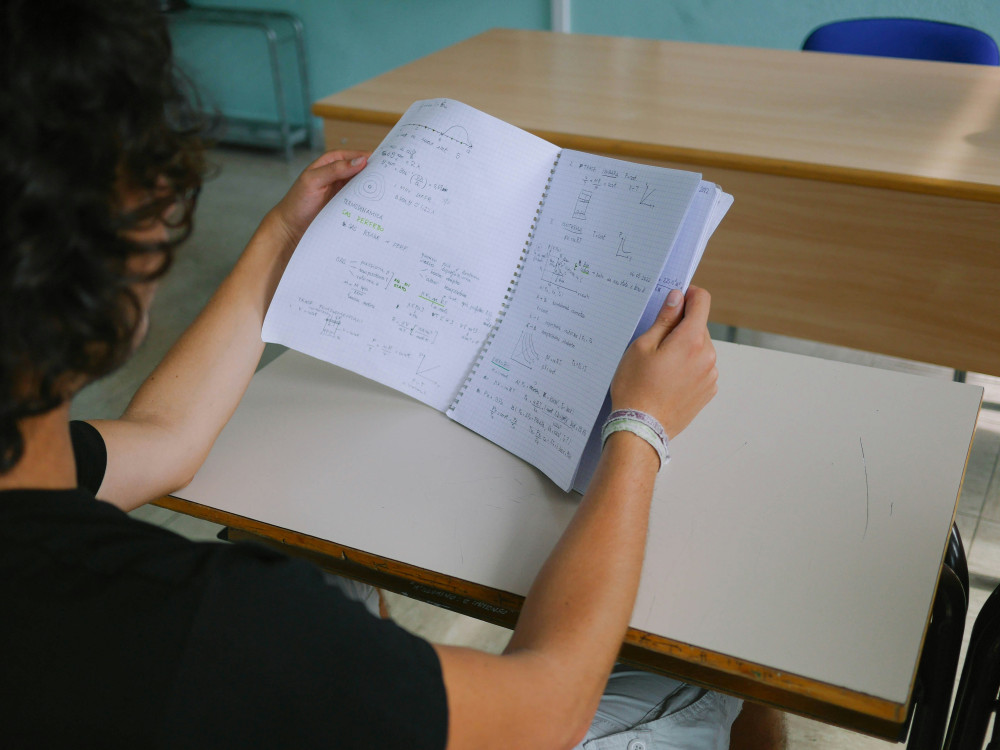
Research shows that our surroundings affect our ability to concentrate. A cluttered desk or a room full of distractions can make it hard for a child to stay on task. A clean, organized learning space helps the brain focus on what matters.
That doesn’t mean everything has to be sterile—personal touches and color can make a space inviting and motivating. The goal is balance: creating a space where the child can feel calm without being overstimulated. Having a designated spot for school supplies, books, and a computer can make a big difference in daily life.
Læs også:



Predictability in the Classroom
In school, structure plays just as important a role as it does at home. When teachers clearly communicate the day’s schedule and follow familiar routines, students feel more secure. They know what’s expected and can use their energy to learn rather than to guess what’s coming next.
Many American classrooms now use visual schedules, consistent routines for group work, and clear transitions between activities. These strategies don’t just help children with special needs—they benefit all students by reducing stress and creating a shared sense of focus.
Partnership Between Home and School
The best structure for a child happens when home and school work together. Parents can support learning by creating a calm environment for homework, maintaining regular bedtimes, and talking with their child about what’s happening at school.
When children see that the adults in their lives are consistent and cooperative, the world feels more understandable. This sense of coherence strengthens motivation, confidence, and emotional well-being.
Calm Is Not the Same as Silence
Creating calm doesn’t mean eliminating all noise or activity. It’s about balance—an environment where a child can be active and engaged while still feeling secure. Some children focus best with quiet background music, while others need complete silence. The key is finding the kind of calm that fits each child.
Calm also comes from relationships. When a child feels seen, understood, and respected, tension eases and learning becomes easier. A calm, patient adult who sets clear boundaries often provides the best foundation for a child to find inner peace.
Small Steps Toward More Structure
Creating structure can feel overwhelming if daily life already feels chaotic, but small changes can make a big difference:
- Create a simple daily schedule with set times for homework and breaks.
- Establish a short cleanup routine before bedtime.
- Use visual tools like charts or checklists.
- Talk with your child about what helps them feel calm and focused.
When structure becomes a natural part of everyday life, energy is freed up for what truly matters—learning, play, and growth.
An Investment in the Child’s Well-Being
Building structure around a child isn’t about control—it’s about care. It’s about giving children the best conditions to thrive, learn, and develop. When their surroundings are predictable and supportive, children gain the confidence to explore the world—and that’s where real learning begins.
Læs også: