Role Models in Everyday Life: How Adults Shape Boys’ Development

Role Models in Everyday Life: How Adults Shape Boys’ Development
Everyday role models play a far greater part in boys’ development than many people realize. It’s not only famous athletes or fictional heroes who shape how boys see themselves and their possibilities—it’s also the adults they encounter daily: parents, teachers, coaches, neighbors, and relatives. Through their actions, words, and values, these adults show what it means to be a man, a person, and a member of a community.
Everyday Heroes in Small Moments
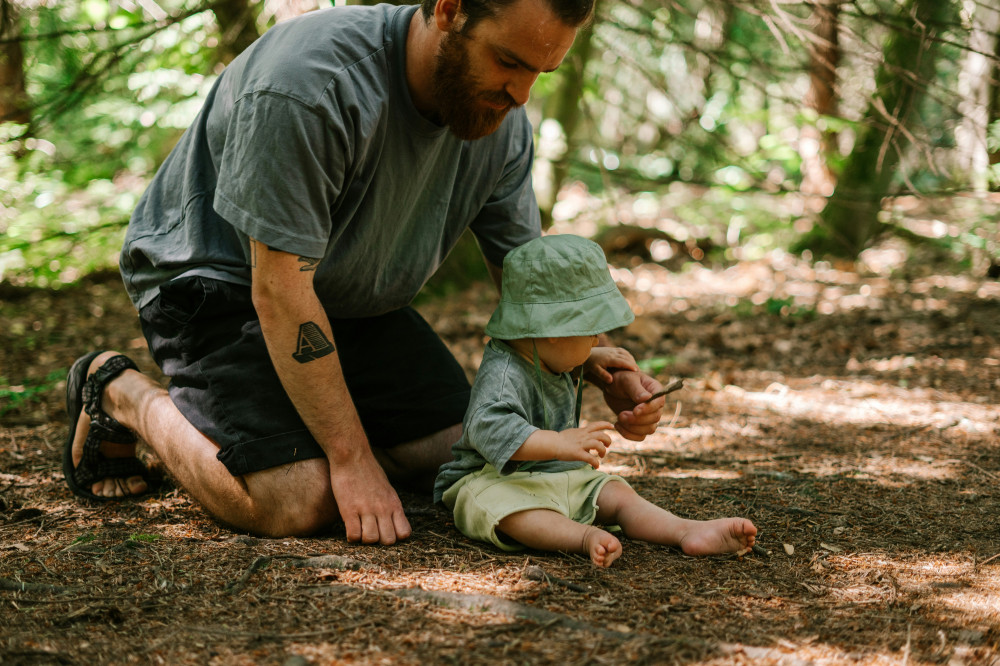
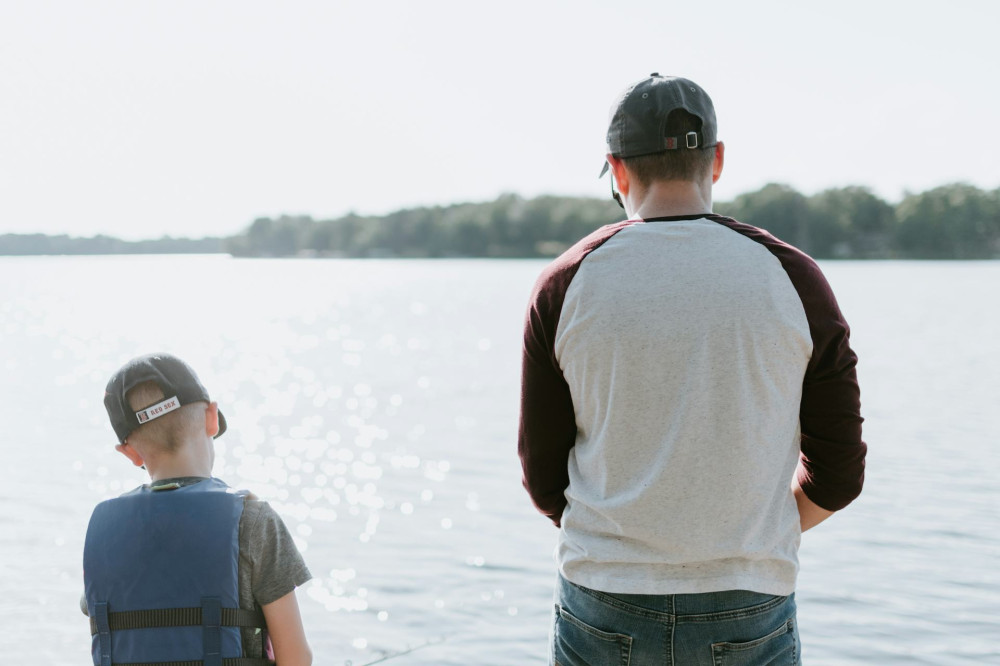
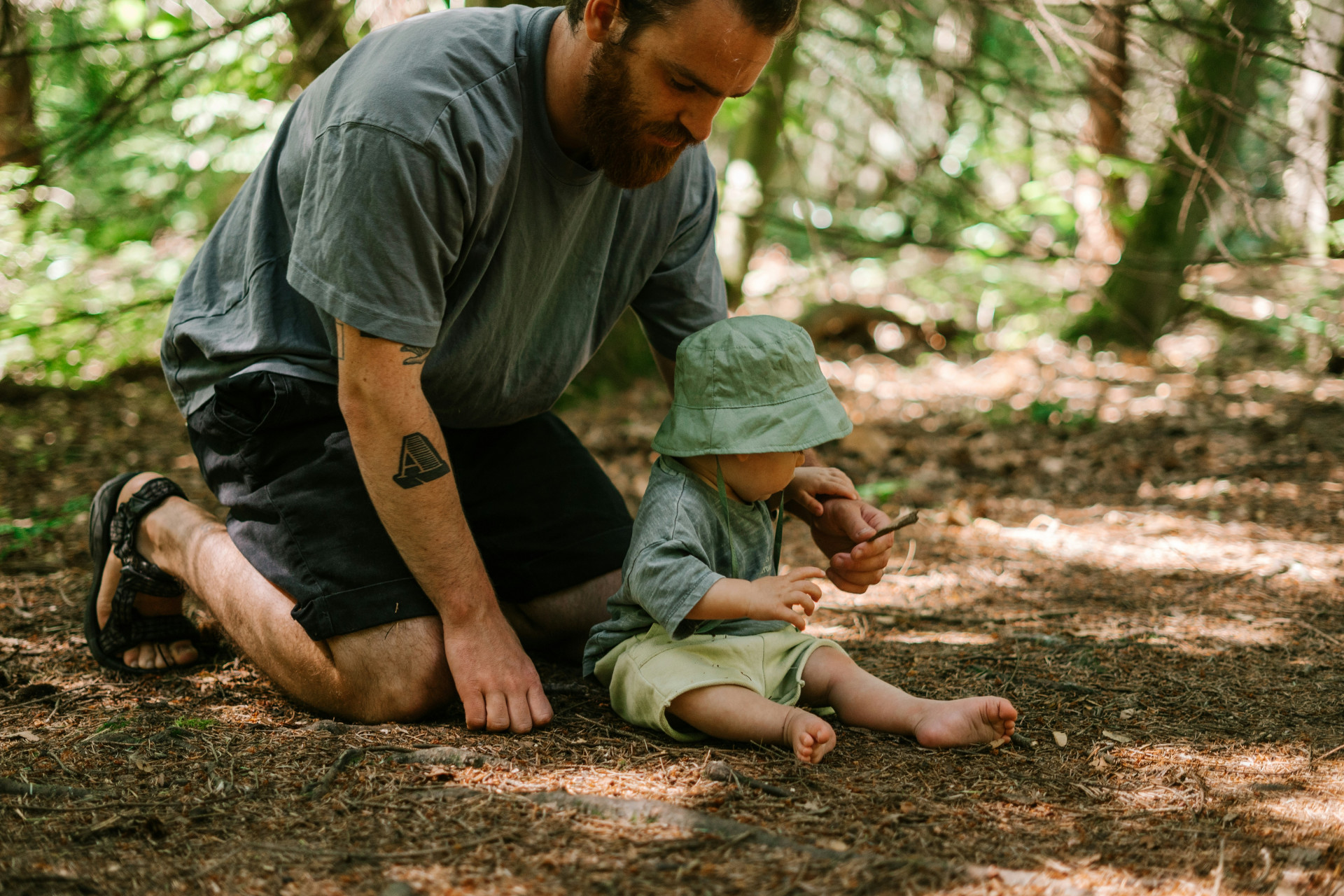
Role models don’t have to be perfect. In fact, it’s often the small, genuine moments that leave the deepest impression. When a father admits he was wrong. When a teacher takes time to listen. When a coach praises effort rather than victory. Boys learn by watching—they notice how adults handle challenges, conflicts, and emotions, and they carry those lessons into their own understanding of the world.
Being a positive role model isn’t about being flawless; it’s about being authentic and consistent. Boys quickly pick up on whether adults do what they say—and they lose trust when there’s too much distance between words and actions.
Læs også:
The Power of Diverse Role Models
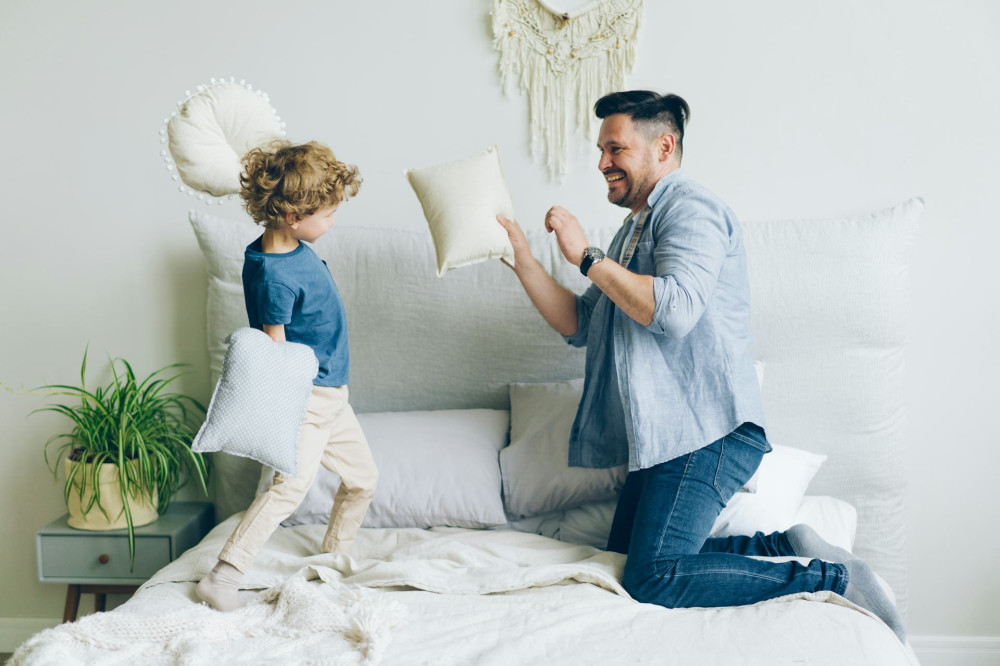
Today’s boys grow up in a society where masculinity can take many forms. It’s a strength when they encounter a variety of role models—men and women, young and old, people from different backgrounds and life experiences. This diversity helps them see that there’s more than one way to be strong, caring, or successful.
A boy who sees his mother leading at work, his father showing kindness at home, and his teacher talking openly about emotions gains a broader picture of what strength and responsibility can mean. He becomes better equipped to build empathy, confidence, and independence.
When Adults Lead—Consciously and Unconsciously
Many adults underestimate how much their behavior influences children. A casual comment about “real men” or a joke about feelings can quietly reinforce limiting ideas. On the other hand, an adult who shows vulnerability or speaks respectfully about others can open new ways of thinking and acting.
It’s not about overanalyzing every moment, but about being aware. What do I communicate when I talk about work, family, or success? How do I react when things go wrong? Boys learn not only from what we tell them—but from how we live our lives.
The Role of Community
Role models aren’t found only at home. Schools, sports teams, and community programs are vital spaces where boys meet adults who can inspire and support them. A dedicated coach who believes in a quiet boy, or a teacher who encourages curiosity, can make a lifelong difference.
Communities where adults model respect, cooperation, and responsibility teach boys that strength isn’t about dominance—it’s about contribution. In these environments, boys experience what it means to be part of something larger and how they, too, can become role models for others.
Growing Up with Balance
When boys see adults who show both strength and vulnerability, they learn that one doesn’t cancel out the other. They gain the courage to express themselves, take responsibility, and show care—qualities that are essential for their well-being and relationships later in life.
Being a role model in everyday life ultimately means showing that it’s human to make mistakes but valuable to keep trying. Through small, consistent actions, adults teach boys what it truly means to grow into a whole and compassionate person.
Læs også: