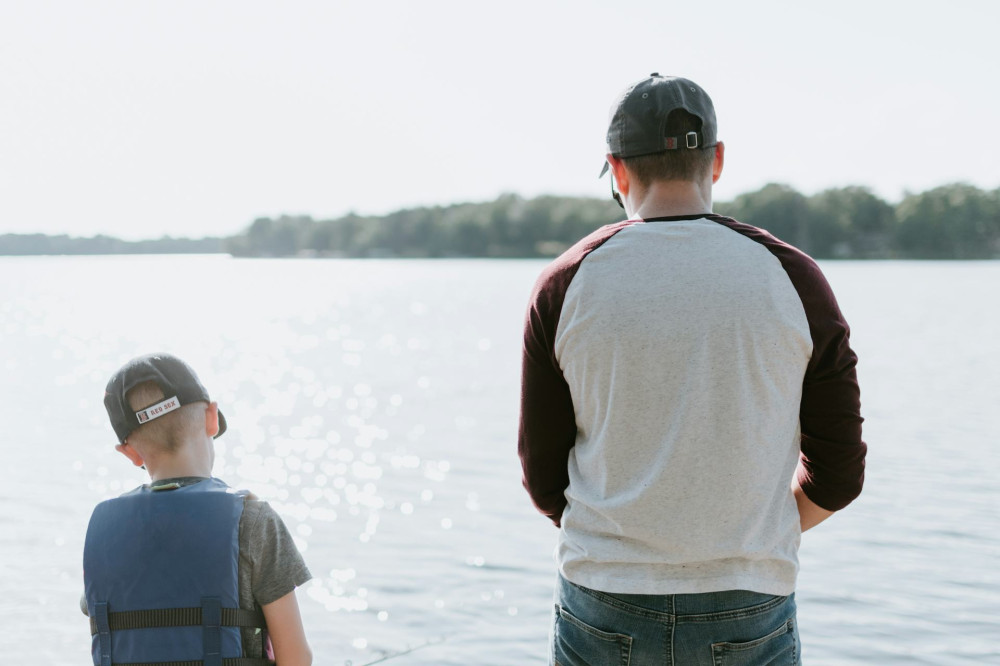
Play, Cooperation, and Conflicts – How Boys Develop Social Skills


Play, Cooperation, and Conflicts – How Boys Develop Social Skills
When boys play, it’s rarely quiet or orderly. There’s running, competing, negotiating, and sometimes arguing. But behind all that energy lies an important process of learning. Through play, teamwork, and even conflict, boys develop the social skills they’ll need throughout life – the ability to understand others, be part of a group, and handle disagreements.
Play as a Social Laboratory
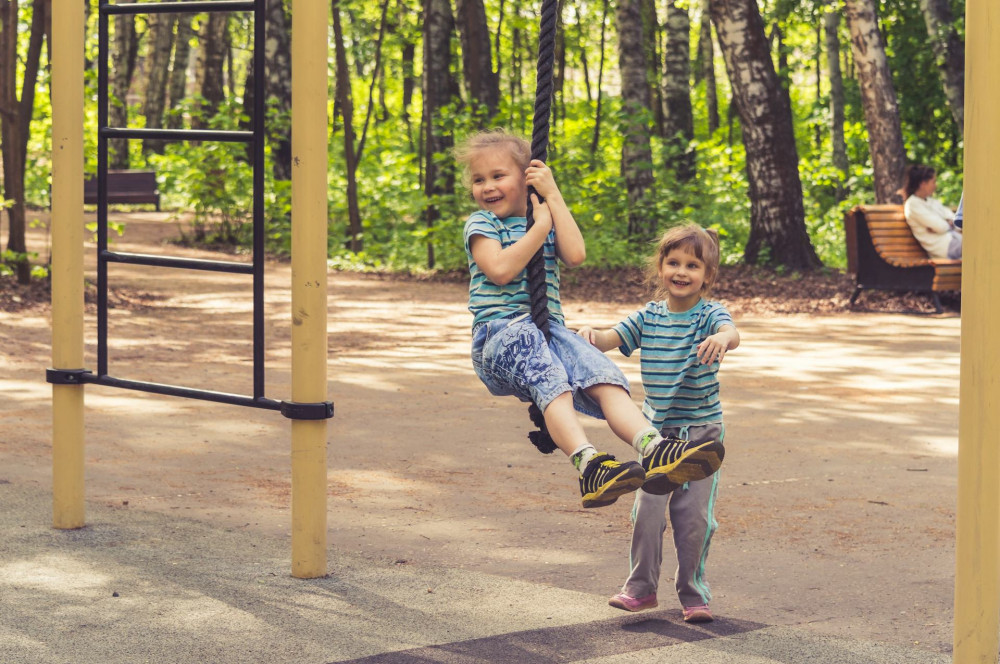
For many boys, play is a space where they can test out roles, rules, and relationships. Whether they’re playing tag, building forts, or organizing a game of basketball, they learn to take initiative, follow shared rules, and adapt to the group’s dynamics. Play becomes a kind of social laboratory where they experiment with boundaries – their own and others’.
When a boy insists on being the team captain or two friends argue over who gets the next turn, it’s not just about the game itself. It’s an exercise in negotiation, compromise, and empathy. They learn that they can’t always get their way, and that the group works best when everyone feels included.
Cooperation – Finding a Place in the Group
Cooperation is central to boys’ social development. In group projects, sports, or classroom activities, they learn to contribute their strengths and respect others’. For many boys, it’s about finding the balance between taking the lead and making space for others.
Team sports make this lesson tangible: you have to trust your teammates, communicate clearly, and take responsibility for both wins and losses. These experiences translate into later life – in friendships, school, and eventually the workplace. Boys also learn that cooperation doesn’t always mean agreement; it means working toward a shared goal even when people are different.
Conflicts as Opportunities to Learn
Conflicts are inevitable when boys play and work together. But they’re also valuable learning moments. When boys argue, get frustrated, or feel treated unfairly, they have a chance to practice managing emotions and finding solutions.
Adults can play a key role here. Instead of simply stopping the argument with “Be nice,” parents and teachers can ask, “What happened?” or “How can you fix this together?” This helps boys see that conflicts aren’t something to fear – they can actually lead to better understanding and stronger relationships.
The Role of Adults: Guiding Without Controlling
While boys learn a lot through their own experiences, adults are essential guides. Parents, teachers, and coaches can support social development by creating environments where play and cooperation are encouraged – and where conflicts are handled constructively.
The goal isn’t to remove every challenge, but to be a safe base boys can return to. When adults show interest in their play, ask about their experiences, and help them put words to their feelings, boys strengthen their social awareness and emotional understanding.
Læs også:


Recognizing Differences Among Boys
There’s no single way to be a boy. Some thrive in rough-and-tumble play and large groups, while others prefer quieter activities and smaller circles. What matters most is that there’s room for all kinds of boys. Social skills grow best when boys are allowed to be themselves – and when their individual ways of engaging with the world are respected.
By giving boys the chance to play freely, cooperate with others, and work through conflicts, we help them build the skills they need to form healthy relationships – as children, teenagers, and adults.
Læs også: