Peace at the Table: How to Handle Conflicts and Keep Mealtime Enjoyable

Peace at the Table: How to Handle Conflicts and Keep Mealtime Enjoyable
For many families, dinner is one of the few times everyone gathers in one place. It’s a chance to reconnect, share stories, and enjoy good food together. But mealtime can also become a source of tension—kids refusing to eat, parents losing patience, and conversations turning sour. How can families keep the peace and make mealtime something to look forward to? Here are some ideas for creating calm, connection, and joy around the table.
When Dinner Turns into a Battle
Most parents have been there: a child pushing away their plate, complaining about what’s served, or bargaining for dessert before taking a single bite. It’s frustrating, especially after a long day and the effort of cooking. But food fights are rarely just about the food. They can reflect tiredness, a need for independence, or a desire for attention.
The first step toward peace is understanding that children learn to eat through comfort and repetition—not pressure. When meals become a battleground, everyone loses their appetite, both for food and for togetherness.
Set the Stage for Calm and Connection
A peaceful meal starts before anyone sits down. A predictable routine and a slower pace help everyone shift gears from the day’s busyness to a more relaxed atmosphere. Try these small changes:
- Turn off screens – no TV, tablets, or phones at the table. It encourages conversation and presence.
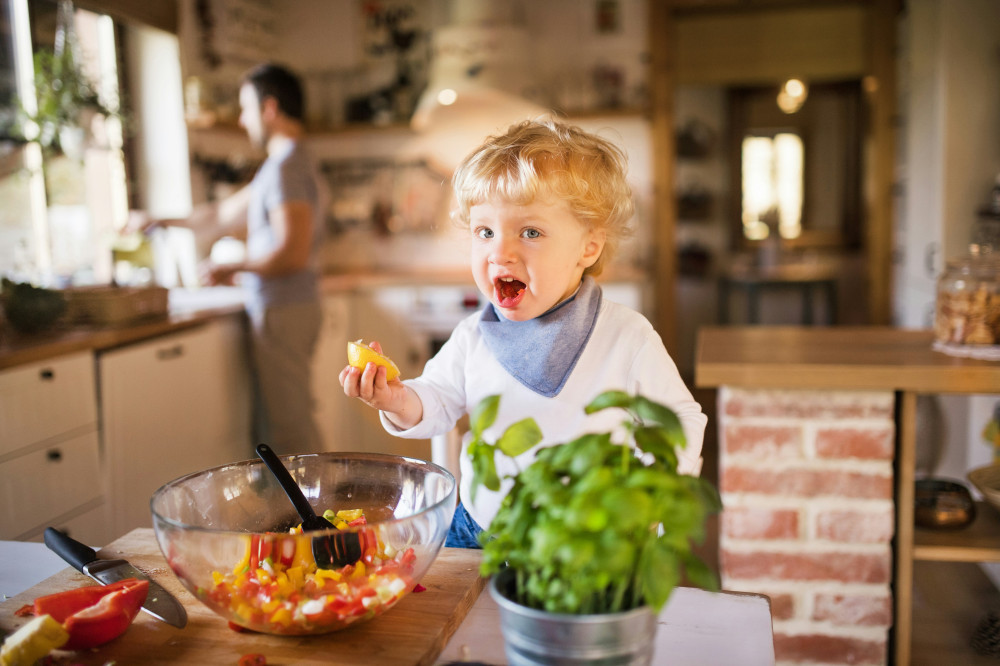
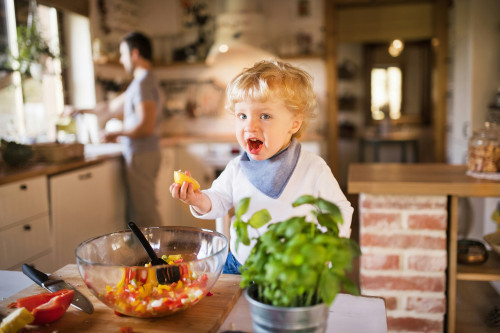
- Invite kids to help – let them set the table, stir a pot, or choose a side dish. Involvement builds interest.
- Create a cozy setting – dim the lights, play soft music, or light a candle. Comfort sets the tone for connection.
When the environment feels calm, it’s easier to focus on each other rather than on what’s on the plate.
Avoid Power Struggles Over Food
It’s tempting to negotiate, bribe, or threaten when a child refuses to eat. But those tactics rarely work long-term. Instead, shift the focus:
- Serve small portions – food looks less intimidating that way.
- Let kids decide how much to eat – you choose what’s served; they choose how much to eat.
- Skip dessert as a reward – it can send the message that “real food” is a chore and sweets are the prize.
When children feel they have some control, resistance often fades. The goal isn’t to make them eat everything—it’s to build a positive relationship with food.
Talk Together—But Not About the Food
Dinner is a great time to talk, but constant comments about who’s eating what can quickly sour the mood. Instead, steer the conversation toward the day’s highlights, funny moments, or upcoming plans.
You can even create small rituals that make mealtime special: everyone shares one good thing from their day, or you take turns choosing a topic to discuss. These traditions strengthen family bonds and shift attention away from the food itself.
Læs også:
When Conflicts Still Happen
Even in the most harmonious homes, tension can flare up. The key is how you respond. If the atmosphere turns negative, it’s often better to pause than to push through. You might say, “Let’s talk about this later,” and revisit the issue once everyone has cooled off.
Afterward, reflect on what triggered the conflict. Was someone overtired? Were expectations too high? Understanding the cause helps prevent future flare-ups.
Embrace Differences
Not everyone at the table will have the same tastes, appetite, or pace—and that’s okay. Some kids eat slowly, others quickly. Some love spicy food, others prefer mild flavors. Accepting these differences shows respect for individual needs and fosters a sense of safety.
Family-style meals, where everyone serves themselves, can help. It gives children a sense of control and makes the meal more relaxed for everyone.
Making Mealtime a Shared Value
Peace at the table isn’t just about avoiding arguments—it’s about creating a space where family members can connect without stress or judgment. When meals become a time of laughter, stories, and curiosity, relationships grow stronger and food becomes something to enjoy again.
It takes patience and practice, but the reward is worth it: a table where everyone feels welcome, heard, and happy to be together.
Læs også: