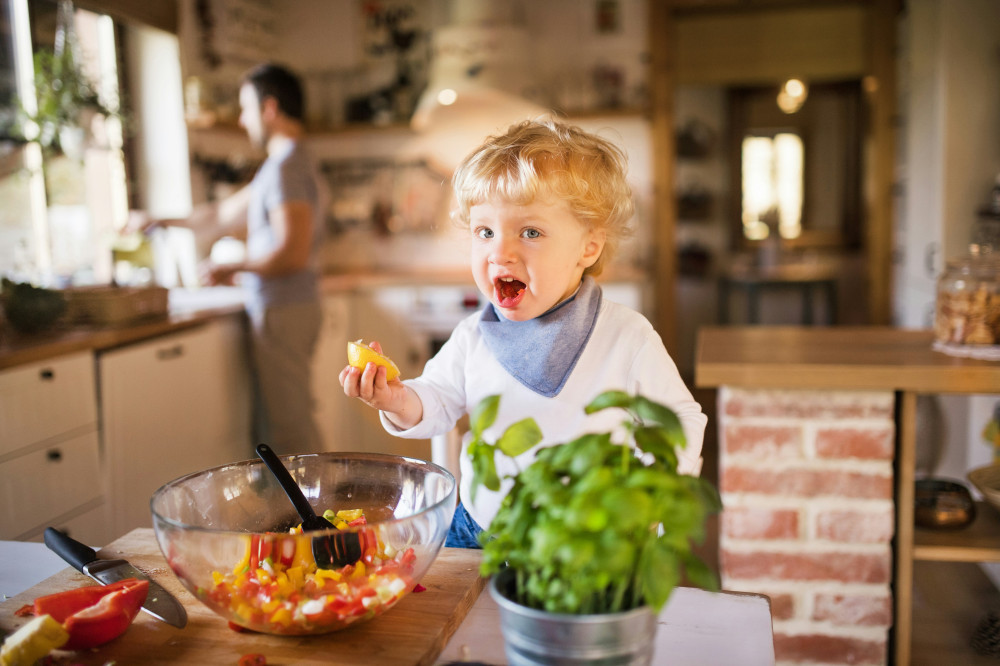
Get the Kids Involved in Cooking – and Watch Their Interest Grow

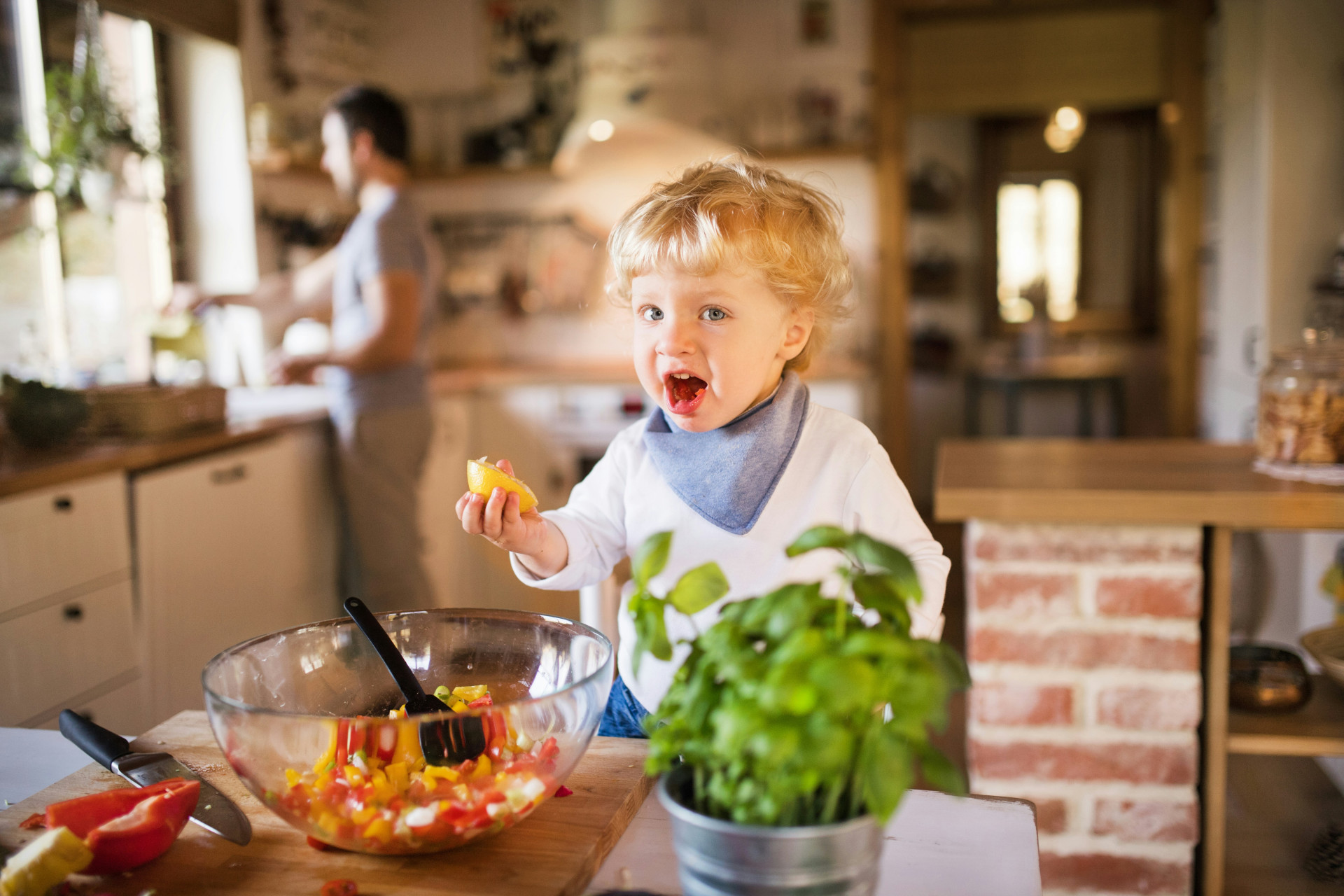
Get the Kids Involved in Cooking – and Watch Their Interest Grow
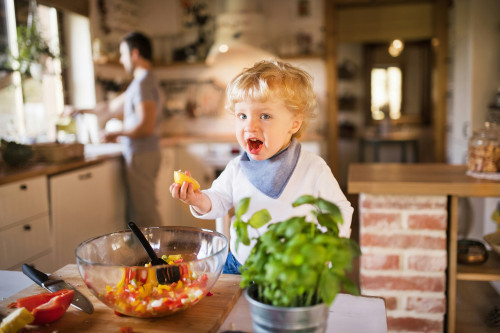
Something special happens when kids are invited into the kitchen. They become curious, proud, and more open to trying new foods. Cooking turns from a daily chore into a shared experience where learning, creativity, and responsibility come together. Whether they’re stirring the batter, setting the table, or tasting a new vegetable, involving children in cooking can boost their confidence and strengthen their relationship with food.
Make Cooking a Family Project
The key is to see cooking as something you do together—not just a task to get done. Kids love to feel helpful, and even small jobs can give them a sense of accomplishment.
Start with recipes that match your child’s age and abilities. Younger kids can wash produce, mix ingredients, or decorate cupcakes, while older ones can measure, chop (with supervision), and follow a recipe step by step.
Let your child choose a meal now and then. When they help decide what’s for dinner, they’re often more excited to eat it—even if it includes something they usually avoid.
Learning Through Food
Cooking is a hands-on way to learn. Kids practice counting, measuring, following directions, and understanding time and temperature. They also gain a real sense of where food comes from and what it takes to prepare a meal from scratch.
Use kitchen time to talk about why we eat fruits and vegetables, what protein does for our bodies, or how to reduce food waste. These conversations make cooking both fun and educational—and help kids develop a natural understanding of health and sustainability.
Keep It Fun and Stress-Free
The kitchen should be a place of discovery, not pressure. It’s okay if flour spills or the cookies come out a little uneven. What matters is the experience.
Set aside enough time so you’re not rushing. Play some music, turn cooking into a mini challenge, or make it a colorful adventure with different ingredients. When kids feel trusted and encouraged to experiment, their confidence grows—and so does their enthusiasm to help next time.
Celebrate Effort, Not Perfection
No one becomes a master chef overnight. If something burns or a recipe doesn’t turn out as planned, treat it as a learning moment. Talk about what could be done differently next time, and focus on praising the effort rather than the outcome.
When children see that mistakes are part of the process, they become more willing to try new things—both in the kitchen and beyond.
From Kitchen to Table – Enjoy the Results Together
Eating the meal they helped prepare is an important part of the experience. Set the table nicely, light a candle, and talk about what went well during cooking.
Kids who take part in the whole process often eat more adventurously and with greater appetite. They feel proud of their contribution and gain a deeper appreciation for the food on their plate.
Læs også:
A Lifelong Investment
Getting kids involved in cooking isn’t just about having an extra pair of hands in the kitchen. It’s about giving them valuable life skills, curiosity, and respect for food.
When children learn to cook, they build a foundation they can carry into adulthood. They become more independent, more mindful eaters—and maybe even more adventurous when it comes to flavor and nutrition.
Læs også: