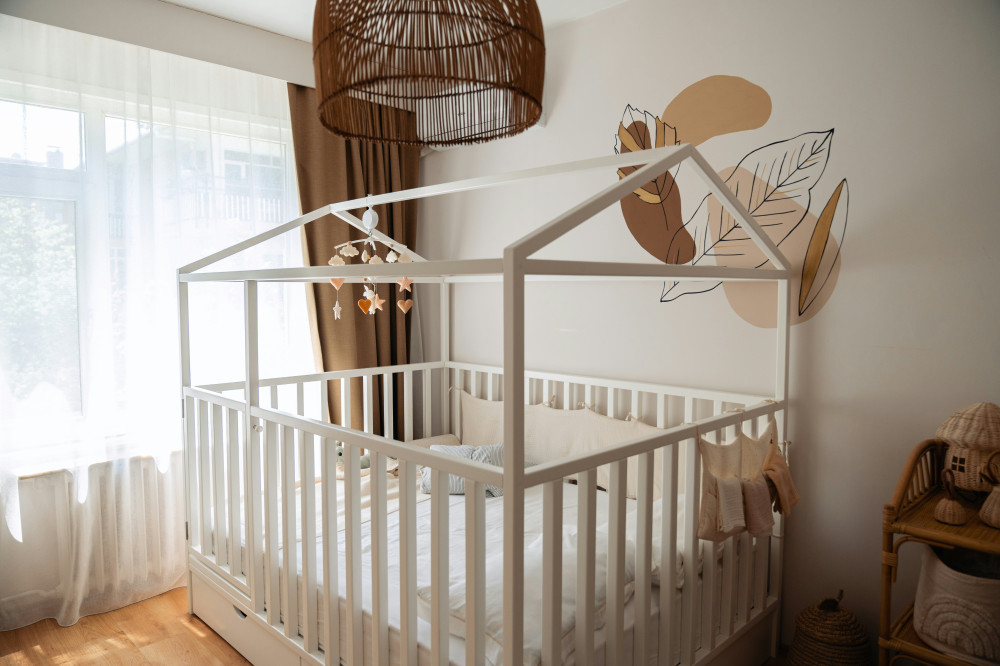
How to Store Your Baby Crib to Maintain Its Quality and Safety

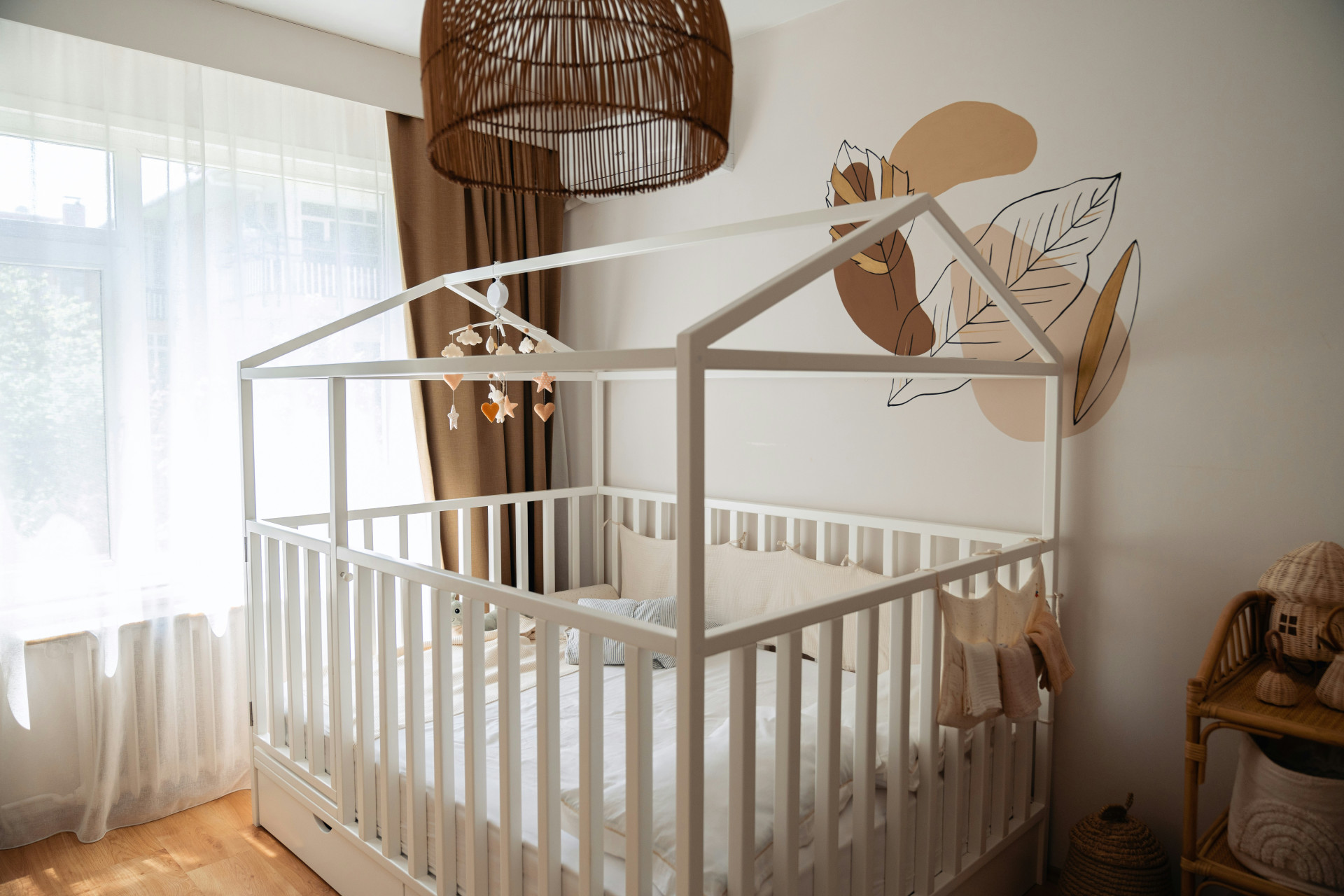
How to Store Your Baby Crib to Maintain Its Quality and Safety
When your baby outgrows their crib, it can be tempting to just move it to the attic or garage. But a crib is often both a financial and sentimental investment, and with proper storage, it can stay in great condition for years. Whether you plan to use it again for a future child, pass it on to a friend, or keep it as a keepsake, storing it correctly is key. Here’s a step-by-step guide to help you preserve your crib’s quality and safety.
Clean the Crib Thoroughly Before Storing
Before packing the crib away, start with a deep clean. Remove the mattress and vacuum all corners and crevices to get rid of dust and crumbs. Wipe down all surfaces with a mild soap solution and a damp cloth. Avoid harsh cleaners or bleach, as they can damage the finish or wood.
Make sure every part is completely dry before storage. Even a small amount of moisture can lead to mold, mildew, or discoloration—especially if the crib will be stored for a long time.
Disassemble Carefully
Most cribs can be taken apart, which makes them easier to store and helps prevent damage. Follow the manufacturer’s instructions to avoid stripping screws or damaging joints. Place all screws, bolts, and small parts in a labeled bag, and tape it securely to one of the crib’s larger pieces so nothing gets lost.
If your crib has adjustable sides or removable panels, take photos during disassembly. These will make reassembly much easier later on.
Choose the Right Storage Location
Where you store the crib matters just as much as how you store it. Avoid damp basements, uninsulated attics, or garages where temperature and humidity fluctuate. Wood can warp, and metal parts can rust in these conditions.
The best place is a clean, dry, climate-controlled space—such as a spare room, closet, or professional storage unit. Keep the crib out of direct sunlight to prevent fading or cracking of finishes.
Protect Against Dust and Scratches
Once the crib is clean and disassembled, cover the parts to protect them from dust and scratches. Use breathable materials like cotton sheets, blankets, or fabric drop cloths. Avoid plastic covers, which can trap moisture and cause condensation.
Keep the crib parts off the floor by placing them on a rug, cardboard, or wooden pallets to protect against any dampness from below.
If you’re storing the mattress, stand it upright and make sure nothing is placed on top of it. This helps it maintain its shape and prevents indentations.
Inspect Before Reuse
When it’s time to use the crib again, inspect every part carefully. Check that all pieces are intact and that screws and bolts still fit securely. Look for any signs of moisture damage, rust, or loose joints. If the crib has been stored for several years, verify that it still meets current U.S. safety standards—crib regulations have changed over time, and older models may no longer comply.
Examine the mattress as well. It should be firm, clean, and odor-free. If there’s any doubt about its condition, it’s safest to replace it—your baby’s comfort and safety come first.
Læs også:




Make Storage Part of Your Planning
Proper crib storage isn’t just about saving space—it’s about preserving a meaningful piece of your child’s early years. With a little care and planning, you can ensure the crib remains safe, sturdy, and beautiful for the next baby, the next generation, or simply as a cherished memory.
A well-preserved crib is more than furniture—it’s a symbol of care and love. And with the right storage, it can continue to hold those memories for years to come.
Læs også: