Clothes for Kids: How to Choose the Right Outfits for Their Age and Everyday Life

Clothes for Kids: How to Choose the Right Outfits for Their Age and Everyday Life
Finding the right clothes for kids is about more than just cute colors and fun prints. The best outfits are comfortable, practical, durable—and suited to a child’s age and daily activities. Kids grow fast, and their clothing needs change as they start crawling, running, playing, and exploring the world. Here’s a guide to choosing clothes that work for everyday life and let kids be kids.
For the Littlest Ones – Comfort and Function Come First
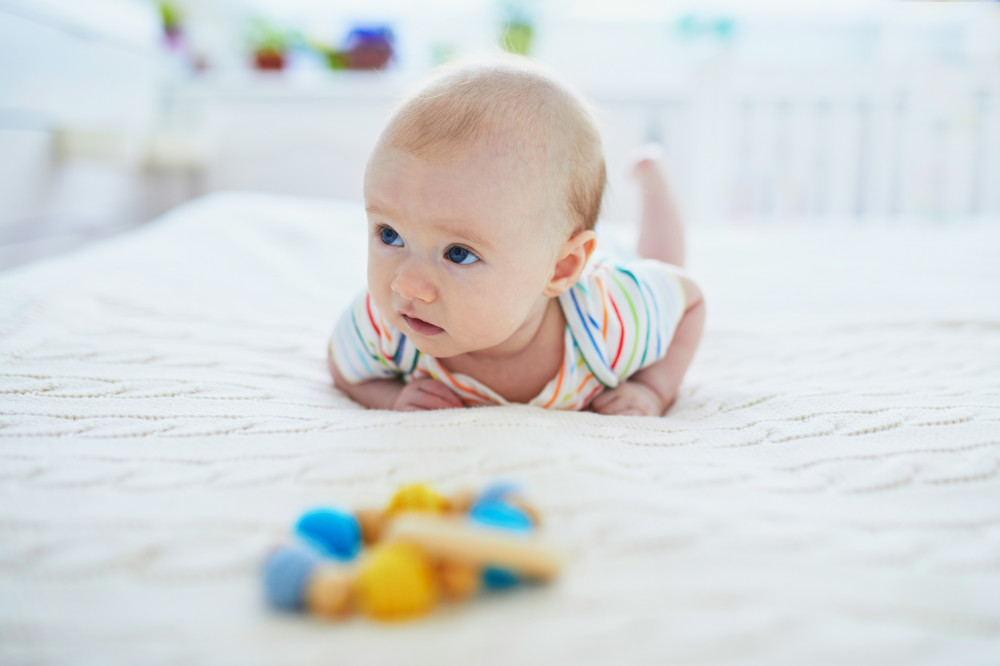
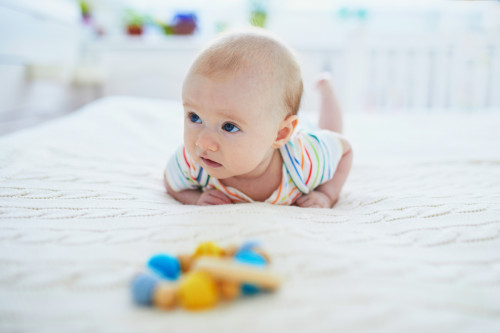
For infants and toddlers, comfort is key. Their skin is sensitive, so clothes should be soft, breathable, and easy to put on and take off. Look for materials like cotton or bamboo that feel gentle and can handle frequent washing without losing shape.
- Onesies and footed pajamas are wardrobe staples. They keep babies warm and make diaper changes easier.
- Snaps and zippers save time—especially when your little one doesn’t have the patience for long outfit changes.
- Layering helps you adjust to temperature changes throughout the day.
Avoid clothes with rough seams, scratchy tags, or decorations that could irritate the skin or pose a safety risk.
When They Start Moving
As babies begin to crawl and walk, durability and freedom of movement become more important. Pants with reinforced knees, elastic waistbands, and stretchy fabrics make it easier for them to explore.
- Soft pants and leggings allow for easy movement.
- Sweatshirts and sweaters made from cotton or lightweight wool blends keep them warm without being bulky.
- Non-slip socks or soft-soled shoes are great for indoor play, especially on hardwood or tile floors.
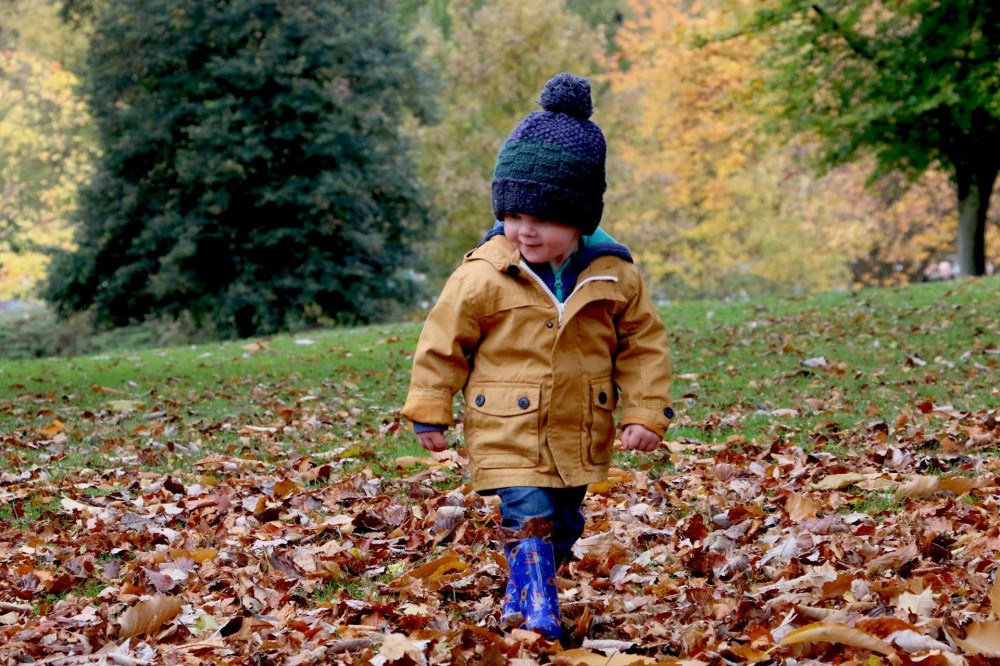
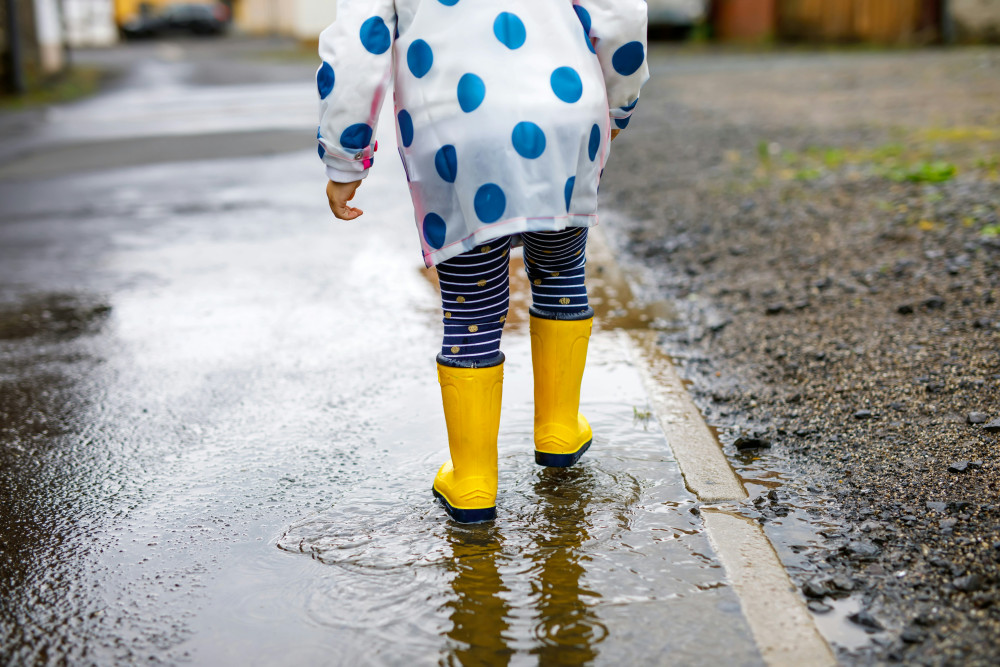
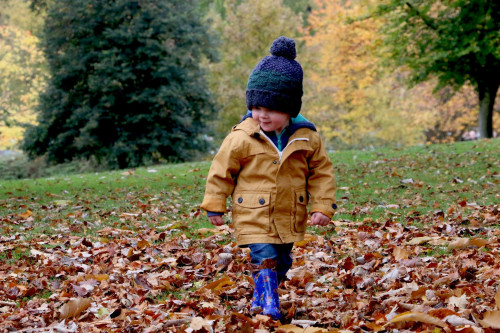
Outdoor play is a big part of this stage, so waterproof jackets and rain boots are must-haves.
School-Age Kids: Style, Function, and Durability
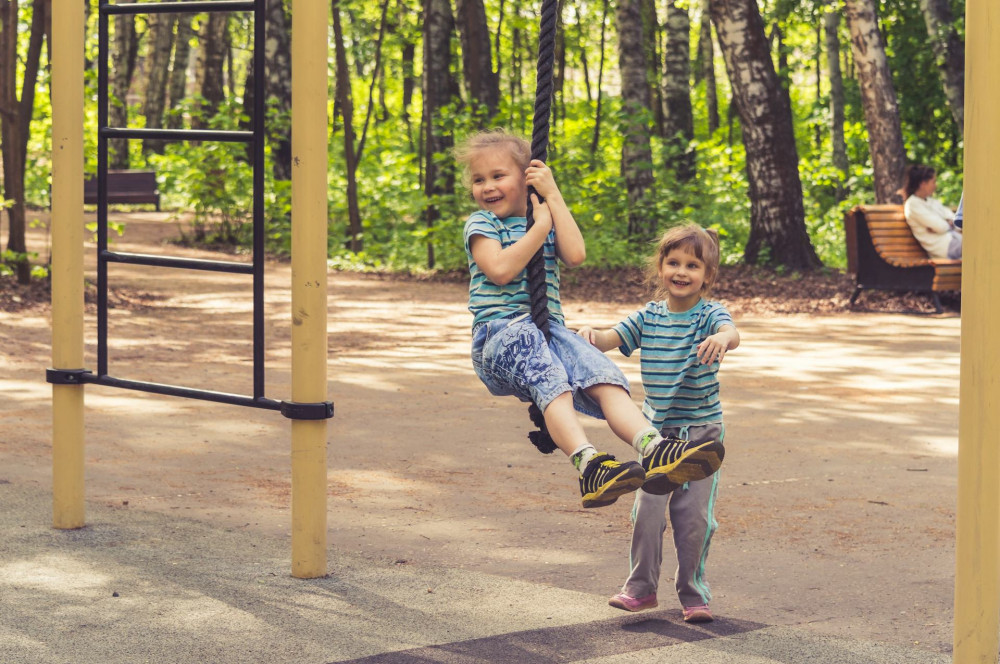
Once kids start school, they begin to care about what they wear. The challenge is finding a balance between their personal style and practical needs. Clothes should be comfortable enough for a full day of learning and sturdy enough for recess.
- Jeans or pants with stretch offer both style and flexibility.
- T-shirts and sweatshirts in durable fabrics can handle frequent washing.
- Layering still works well—especially during seasonal transitions.
Let your child help choose colors and patterns. It builds independence and makes mornings smoother when they’re excited about what they’re wearing.
Clothes for Outdoor Play and Activities
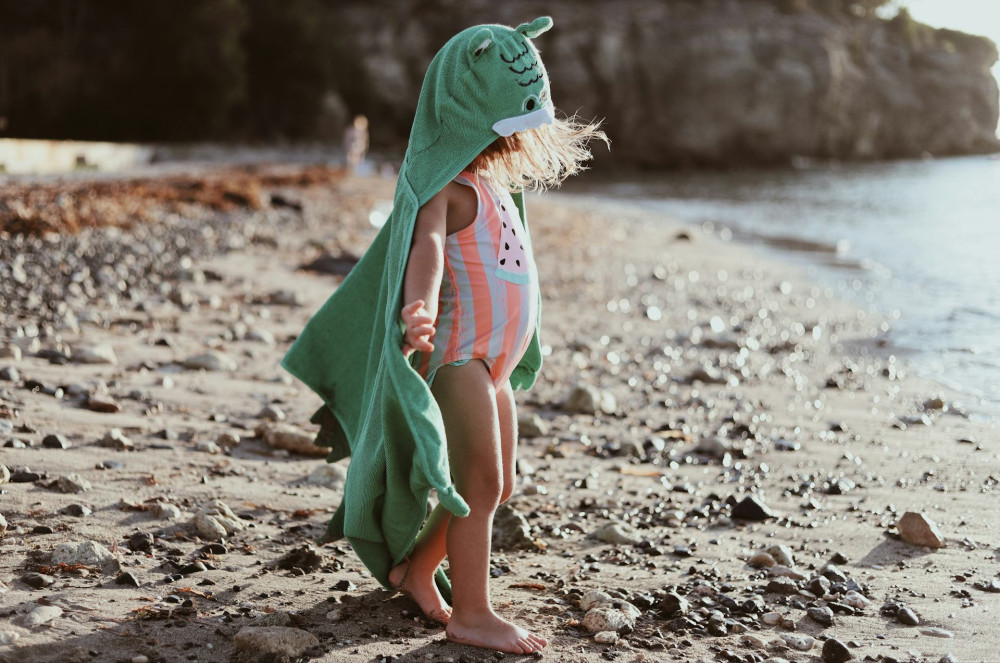
No matter the age, kids need clothes that fit the weather. In much of the U.S., temperatures can vary widely, so having the right outerwear makes all the difference between a fun day outside and a chilly one.
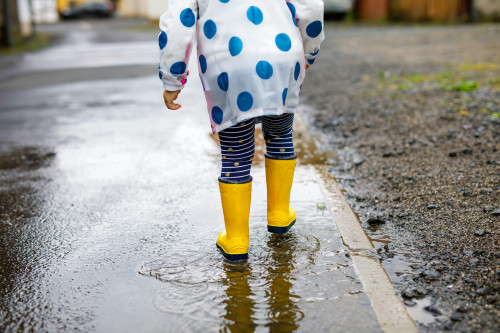
- Rain gear should be both waterproof and breathable, with sealed seams and adjustable cuffs.
- Snowsuits or insulated jackets are great for younger kids in winter, while older kids may prefer two-piece sets.
- Base layers and fleece provide warmth without bulk.
Remember, kids heat up quickly when they play. It’s better to have layers they can remove than to risk them getting cold.
Læs også:
Sustainable and Budget-Friendly Choices
Kids outgrow clothes fast, which can be tough on both your wallet and the environment. Fortunately, there are ways to shop smarter and more sustainably.
- Buy quality over quantity. Well-made clothes last longer and can be passed down or resold.
- Shop secondhand. Thrift stores, consignment shops, and online marketplaces often have gently used kids’ clothes in great condition.
- Choose organic or eco-friendly fabrics. They’re better for your child’s skin and the planet.
Thinking long-term helps you build a wardrobe that’s practical, affordable, and responsible.
Keeping the Closet Organized
Kids’ clothes can pile up quickly. A little organization goes a long way toward keeping mornings stress-free.
- Sort regularly and set aside items that no longer fit.
- Designate spaces for everyday wear, sports clothes, and outerwear.
- Plan for seasonal changes early so you’re ready when the weather shifts.
An organized system makes life easier for parents—and helps kids learn to take care of their own things.
Clothes That Fit Their Age and Everyday Life
The best kids’ clothes make life simpler for everyone. They should be comfortable, functional, and suited to your child’s stage of growth. When you choose clothes thoughtfully, you give your child the freedom to play, learn, and grow—without their outfit getting in the way.
Læs også: