Women’s Role Through the Ages – and What Equality Means to Us Today


Women’s Role Through the Ages – and What Equality Means to Us Today
The role of women in society has changed dramatically over the centuries. From being confined to the home and family to now leading companies, shaping politics, and influencing culture, the journey has been long, complex, and often hard-fought. It is a story of courage, solidarity, and a relentless pursuit of justice. Today, we stand on the shoulders of generations of women who fought for rights many of us take for granted — yet equality remains a goal that still demands attention and action.
From Home to Public Life
For much of history, women’s roles were centered around the household. They cared for children, managed domestic work, and supported their families, while men handled finances and public affairs. In early America, women’s labor was essential to survival — they worked the land, preserved food, and kept communities running — but their contributions were rarely recognized as “real work.”
The Industrial Revolution in the 19th century began to change that. Women entered factories, often in textiles or domestic service, enduring long hours and low pay. Yet this shift marked the beginning of women’s economic independence. Awareness of inequality grew, and the first organized women’s movements began to take shape.
The Fight for Suffrage and Education
By the late 1800s and early 1900s, the fight for women’s rights had become a national movement. Leaders like Susan B. Anthony, Elizabeth Cady Stanton, and Sojourner Truth demanded the right to vote, access to education, and fair treatment under the law. Their efforts culminated in the 19th Amendment in 1920, granting American women the right to vote — a turning point that forever changed women’s place in society.
Education became a key to empowerment. As women gained access to colleges and universities, new opportunities opened in science, medicine, law, and the arts. No longer was a woman’s life defined solely by marriage and motherhood; she could now shape her own future.
The Women’s Liberation Movement
After World War II, women’s participation in the workforce grew rapidly. The 1960s and 70s brought the modern women’s liberation movement, which fought for equal pay, reproductive rights, and freedom from discrimination. Activists like Gloria Steinem and Betty Friedan challenged traditional gender roles and demanded that women be seen as equals in every sphere of life.
This movement changed both laws and attitudes. Women began to take leadership roles in politics, business, and culture, and society slowly adapted. Many of the rights we now consider fundamental — from workplace protections to reproductive freedom — were won through the persistence of these generations.
Læs også:
Equality Today – A Work in Progress
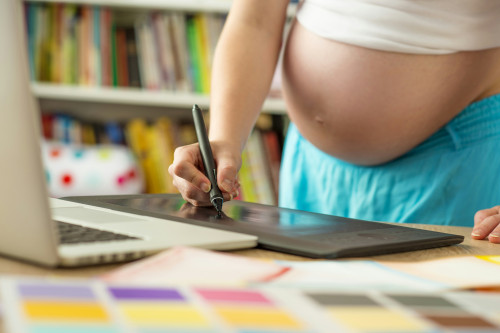
While women today have greater access to education, employment, and political power than ever before, true equality is still unfinished business. The gender pay gap persists, women remain underrepresented in top leadership positions, and the burden of unpaid care work still falls disproportionately on women.
New challenges have also emerged. Balancing career and family, navigating social media pressures, and confronting sexual harassment and discrimination continue to shape women’s experiences. The #MeToo movement revealed how deeply ingrained some of these issues remain — but it also showed the power of collective voices demanding change.
At the same time, progress is undeniable. More men are taking parental leave, more women are founding businesses, and younger generations increasingly view equality as a given. These shifts show that change is possible — but it requires ongoing awareness, advocacy, and action.
What Equality Means to Us Today
Equality is not just about rights on paper; it’s about real opportunities in practice. It means that everyone — regardless of gender — should have the freedom to choose their own path without being limited by stereotypes or expectations. It’s about respect, equal pay for equal work, and creating a society where everyone can contribute and thrive.
For many, equality also means balance — between work and family, ambition and care, independence and community. It’s not a battle between genders, but a shared effort to build a fairer, more inclusive world.
When we talk about women’s role through the ages, we are really talking about humanity’s capacity to grow and evolve. Each generation has pushed the boundaries a little further — and it is our responsibility to keep that progress moving forward.
Læs også: